

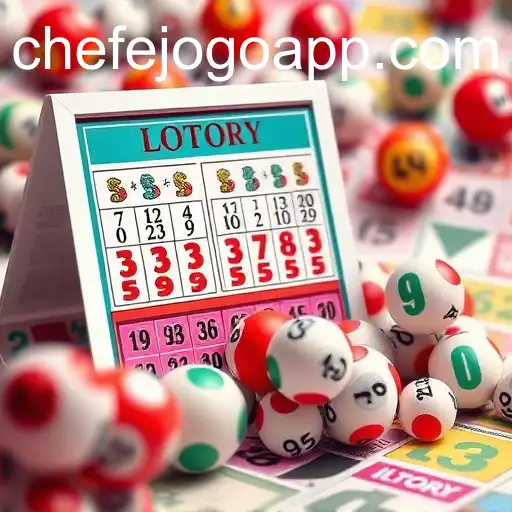

Lottery games have long captivated the imaginations of people worldwide. The thrill of hitting the jackpot and the dream of instant wealth have made them a popular pastime for many. However, the world of lottery games is far from uniform, with various formats, rules, and cultural significances adding layers of complexity.
The term chefejogo introduces a unique dimension to understanding lottery games, providing insights into strategic play, rules, and the psychology of participants. This concept delves into the leadership role within gaming scenarios, influencing both casual players and seasoned gamblers.
Lottery games are not a novel phenomenon. Their history dates back to ancient times, with the first recorded signs emerging in China during the Han Dynasty. These early lotteries were used primarily for financing government projects like the Great Wall of China. As we journey through history, the Roman Empire employed lotteries at events and gatherings, though often in the form of a more social entertainment than today’s cash-driven motives.
Over centuries, lotteries evolved, moving across Europe and eventually settling as a staple fundraising method for public and private ventures. The diverse history of lotteries highlights a fundamental human attraction to chance and fortune.
Lotteries are multi-faceted, encompassing a wide variety of formats. Whether it's a massive national lottery or a smaller local game, the essence of betting and the alluring promise of a life-changing win remain constant.
Instant win games are popular due to their simple rules and immediate results. Players purchase a ticket, either physical or digital, and reveal a pre-determined combination to see if they have won. These games, including scratch-offs, offer the thrill of rapid results, appealing to those seeking instant gratification.
Lotto games are characterized by drawing numbers from a larger set, where participants must match their chosen numbers to win. These games might feature multiple draws per week. The anticipation leading up to the draw and the emotional ride of watching numbers appear builds excitement for players and onlookers alike. Powerball and Mega Millions in the United States epitomize this category, drawing significant attention with their massive jackpots.
Many regions host state or local lotteries that channel proceeds back into community infrastructure and programs. These lotteries are government-backed and often present slightly better odds, fostering a sense of local participation and benefit. Players often feel a certain loyalty to these games, seeing them as more than just a gamble.
Technological advancements have revolutionized the way people engage with lottery games. The shift to online platforms has made it easier for players to participate, browse game options, and access quick results. Digital versions of scratch-off games, instant-win formats, and digital ticket purchases enhance convenience, drawing a tech-savvy audience.
The move to mobile applications and online portals has widened access to lotteries. Players can engage from their smartphones or computers, purchase tickets, and even join international lotteries with the click of a button. This digital transformation underscores a broader tendency towards convenience while opening up new markets and demographics.
Lotteries are often more than entertainment; they play intricate roles in economic and social dynamics. Large jackpots entice players to spend significant amounts, driving substantial revenue streams for organizers.
One primary advantage of lotteries is the funding they can provide for public goods. Revenues are frequently earmarked for education, infrastructure, and other public services. While this system can offer substantial community benefits, it also prompts discussions about the ethical implications of funding critical services through gambling.
Although lotteries are theoretically accessible to all, the socioeconomic factors affecting ticket purchasing habits cannot be ignored. Critics argue that lotteries can disproportionately affect lower-income individuals who see the games as opportunities for socioeconomic advancement.
The concept of chefejogo brings an analytical lens to how lotteries function and how players can strategically engage with these games. It reminds us that while lottery games offer entertainment and dreams of wealth, understanding their mechanics and implications is vital. Whether driven by the thrill of chance or aspirations for improvement, lottery games remain a complex blend of tradition, luck, and strategy.
Delve into the mystical world of WaysoftheQilin, a captivating game that blends ancient legend with modern gaming mechanics. Discover its unique features, gameplay rules, and the cultural significance behind its lore.

Explore the thrilling world of GigaMatchMoolah, a game that intricately blends strategy and luck. Discover its unique characteristics and delve into its comprehensive rules to enhance your gameplay.

Discover the magical universe of SweetMagic, a captivating game blending strategic thinking and creativity. Dive into its enchanting rules and world-building experience.

Explore the thrilling world of SurfZone, its unique gameplay, rules, and how it connects with current trends.

Dive into the intricate world of 3LuxorPots, a game that combines strategy, skill, and a touch of luck. Discover the origins, gameplay, rules, and its place in current gamification trends.

Explore the world of EpicLegends, a groundbreaking strategy game that captivates players with its intricate mechanics, dynamic storylines, and competitive gameplay.
